
The thrill of uncertainty
The allure of gambling often lies in the excitement of the unknown. For many, the unpredictability of outcomes serves as an adrenaline rush, creating a powerful emotional response. This thrill can be compared to a roller coaster ride, where the anticipation of a sudden drop or loop generates a rush of excitement. That same sensation is present when a player places a bet, as they anxiously await the results. In recent years, the rise of online platforms has transformed the landscape, with many choosing to try their luck at pokies online instead of traditional casinos. The mixture of hope and uncertainty can trigger the brain’s reward pathways, reinforcing the desire to gamble further. The more unpredictable the situation, the stronger the emotional response, making the experience not just about winning or losing but about the journey itself.
Moreover, the brain’s chemistry plays a vital role in this aspect of gambling. When individuals experience wins, their brains release dopamine, a neurotransmitter associated with pleasure and reward. This chemical response can foster a desire to replicate the experience, making gambling an enticing activity. Wins, no matter how small, can create a sense of euphoria that overshadows losses, compelling players to return for more. This cycle can lead to more frequent gambling as they chase the high associated with those rewarding moments, often leading to a pattern of behavior where the thrill becomes the primary draw, rather than the financial aspect.
Interestingly, the potential for winning doesn’t just attract seasoned gamblers; it also pulls in novices who may have never gambled before. The perception that anyone can win big creates a sense of hope that resonates universally. Advertisements and promotions highlight extraordinary wins, further amplifying this desire to engage in the activity. Even those who are aware of the odds can find themselves drawn into this compelling narrative, showcasing how powerful the psychological factors behind gambling can be. The idea that fate can change in an instant keeps the hope alive, making the act of gambling an appealing venture that transcends mere chance.
The social aspect of gambling
Gambling is not solely an individual activity; it often serves as a communal experience. Many people enjoy playing games with friends or in a group setting, where the social interaction enhances the enjoyment factor. Whether it’s through a night out at a gaming establishment or an online platform, the shared experience of making bets and discussing strategies fosters camaraderie. This social dimension can make the act of gambling far more appealing, as it transforms a solitary venture into a social occasion filled with shared excitement and collective anticipation.
The social aspect also ties into the concept of belonging. Many gamblers find a sense of community among fellow players, creating bonds that can lead to lasting friendships. Such connections can influence gambling habits, as individuals are more likely to engage in the activity when peers are involved. This social reinforcement can intensify the desire to gamble, creating an environment where the act feels less like a solitary endeavor and more like a shared adventure filled with laughter and stories. The shared narratives of wins and losses can become part of the social fabric, strengthening the ties between participants.
Moreover, the excitement and collective anticipation of a game or betting round can elevate the overall experience. The conversations, camaraderie, and shared hopes contribute to an atmosphere that amplifies the thrill of the game. For instance, watching a game together while placing bets can turn a simple outing into a memorable event. Thus, the social component is not just an adjunct to gambling; it is an intrinsic element that enriches the experience and fuels continued participation, making it more than just a financial pursuit but a bonding activity among friends and family.
The illusion of control
The psychology of gambling is also significantly influenced by the illusion of control, where individuals believe they have the ability to influence the outcome of random events. Many gamblers are convinced that certain strategies, rituals, or superstitions can impact their success. This perception fuels the desire to continue gambling, as the belief in personal control leads to a sense of empowerment. For instance, a player might feel that using a specific betting pattern will increase their chances of winning, even if the odds remain unchanged. This sense of agency can be intoxicating, encouraging players to take on riskier bets.
This illusion can also manifest in various games, such as poker, where skill plays a role alongside luck. Players often attribute their wins to skill rather than chance, reinforcing the idea that they can control outcomes. This belief can lead to more frequent gambling as players seek to outsmart the odds, convinced that their strategic thinking gives them an edge. The psychological satisfaction gained from believing one can bend the rules of chance can enhance the enjoyment of the game, making each session feel like an opportunity to showcase one’s abilities.
However, the downside of this illusion is that it can lead to overconfidence and reckless betting behavior. Gamblers may dismiss the odds against them, leading to potentially harmful financial consequences. The allure of the game can overshadow rational decision-making, as the desire to prove one’s skill or control over the situation becomes paramount. This balance between perceived control and reality is a crucial aspect of why people continue to engage in gambling despite knowing the risks involved. Understanding this dynamic can help individuals recognize when their beliefs may be leading them astray.
The impact of marketing and environment
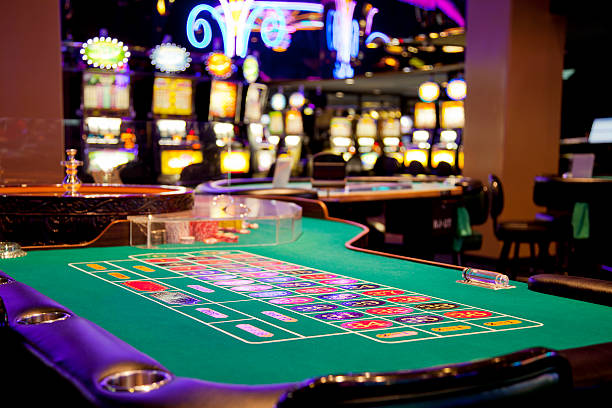
Marketing plays a significant role in shaping the perception of gambling, creating an environment that engenders excitement and allure. Casinos and online platforms are designed to be inviting, often using vibrant colors, engaging themes, and enticing promotions to draw in potential players. These marketing strategies cultivate an atmosphere of fun and excitement, making it easy for individuals to overlook the potential risks associated with gambling. The sensory experiences created by these environments can further amplify the desire to participate, as bright lights and sounds evoke a sense of celebration and joy.

Furthermore, the use of celebrities or influencers in gambling promotions can create an aspirational narrative. Many advertisements depict gambling as a glamorous lifestyle, often highlighting excessive wealth and social status. This portrayal can seduce individuals into believing that they, too, can achieve such heights through gambling. Such marketing techniques can enhance the appeal of gambling and blur the lines between entertainment and risk, compelling people to partake in these activities. This clever use of imagery and messaging can significantly shape public perception and drive participation.
The environment in which gambling occurs can also influence behavior. For instance, research has shown that the ambient noise, lighting, and social interactions present in casinos can create a euphoric state that encourages continuous play. This sensory stimulation makes it difficult for individuals to step away, as they become absorbed in the experience. Such carefully crafted environments serve to reinforce the attraction of gambling, making it a formidable force in the realm of entertainment. By understanding how these elements work together, individuals can better navigate their experiences and make informed choices about their gambling activities.
Understanding the website’s role in gambling psychology
In the digital age, the role of websites in shaping gambling behavior has become increasingly significant. Online gambling platforms have leveraged sophisticated algorithms and user interfaces to enhance user engagement. These sites often create personalized experiences, making it easy for users to immerse themselves in various games. The convenience of accessing these platforms can intensify the desire to gamble, as players can indulge their interests at any time and from anywhere, blurring the lines between daily life and gaming.
Moreover, online gambling sites employ social features that mimic the communal aspects found in physical casinos. Many platforms allow players to interact through chat features or social media integrations, fostering a sense of community. Such interactions can further amplify the enjoyment of gambling, creating an environment where individuals feel they belong. The blending of social and gaming elements can encourage participants to spend more time and money on these platforms, as the social validation received from peers enhances the overall experience.
However, it is essential for users to approach online gambling with caution. Understanding the psychology behind their preferences and behaviors is crucial to maintaining a healthy relationship with gambling. Awareness of how marketing, convenience, and social elements can influence decisions will empower users to make informed choices. Ultimately, while the thrill and excitement of gambling is enticing, recognizing the inherent risks is vital to ensuring a balanced and responsible approach to this popular pastime. Engaging with gambling in a mindful way can help mitigate potential negative impacts, allowing for enjoyment without the pitfalls.